CONTENT COMES FIRST

Static Global CMS

Choose a CMS for a static website by comparing editor tasks, Git-backed files, content APIs, preview, approval, media handling, and export options.

PRACTICAL FIELD GUIDEPlanning checklist ↓

Choose how people create and approve content

A CMS should make routine content work understandable for the people doing it. Begin with their tasks: correcting text, adding an article, choosing media, reviewing a draft, and knowing when a change is live. Then compare systems using those tasks.

Static Global CMS explores editing models for websites that publish prepared files. A content interface can be separate from the public website, so choosing static delivery does not require every editor to work in source code or learn a build tool.

CONSIDERATION / 01

Compare where content is maintained

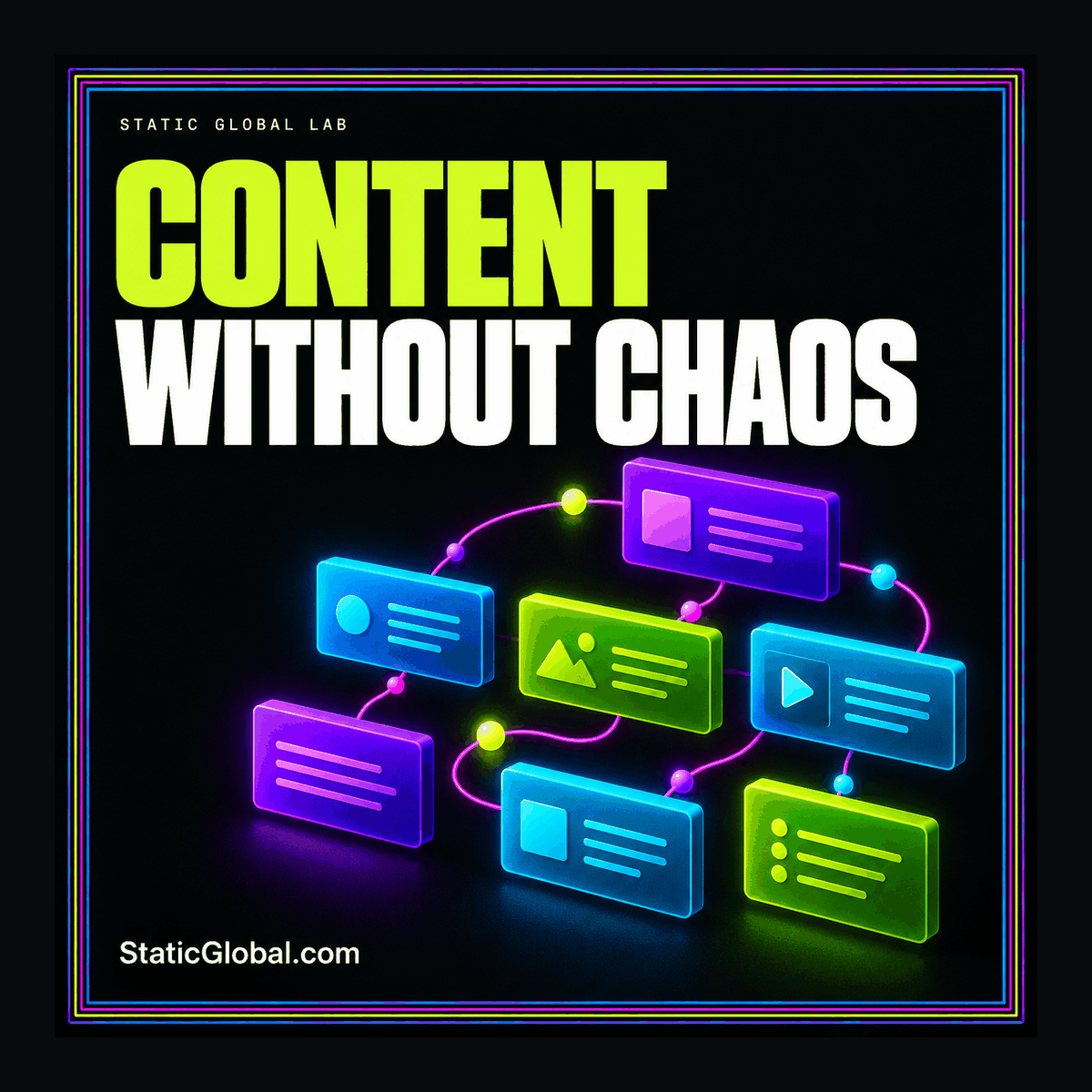
A repository-backed CMS writes content files into Git. An API-delivered system maintains entries in a separate content platform that a build can query. These labels can overlap with the term headless, so ask where the authoritative content lives rather than relying on category names. Decide whether keeping content near code or maintaining a separate editorial workspace better matches your team's existing responsibilities.
CONSIDERATION / 02

Evaluate the complete editing journey

Configure a realistic page in each candidate and let an editor create, preview, revise, and publish it. Include an image, a related-content link, and a long title. Test what happens when a required field is missing or two people change the same content. The quality of the workflow depends on your schema, permissions, and preview implementation as well as on the CMS interface itself.

CONSIDERATION / 03

Check the handoff to static publishing

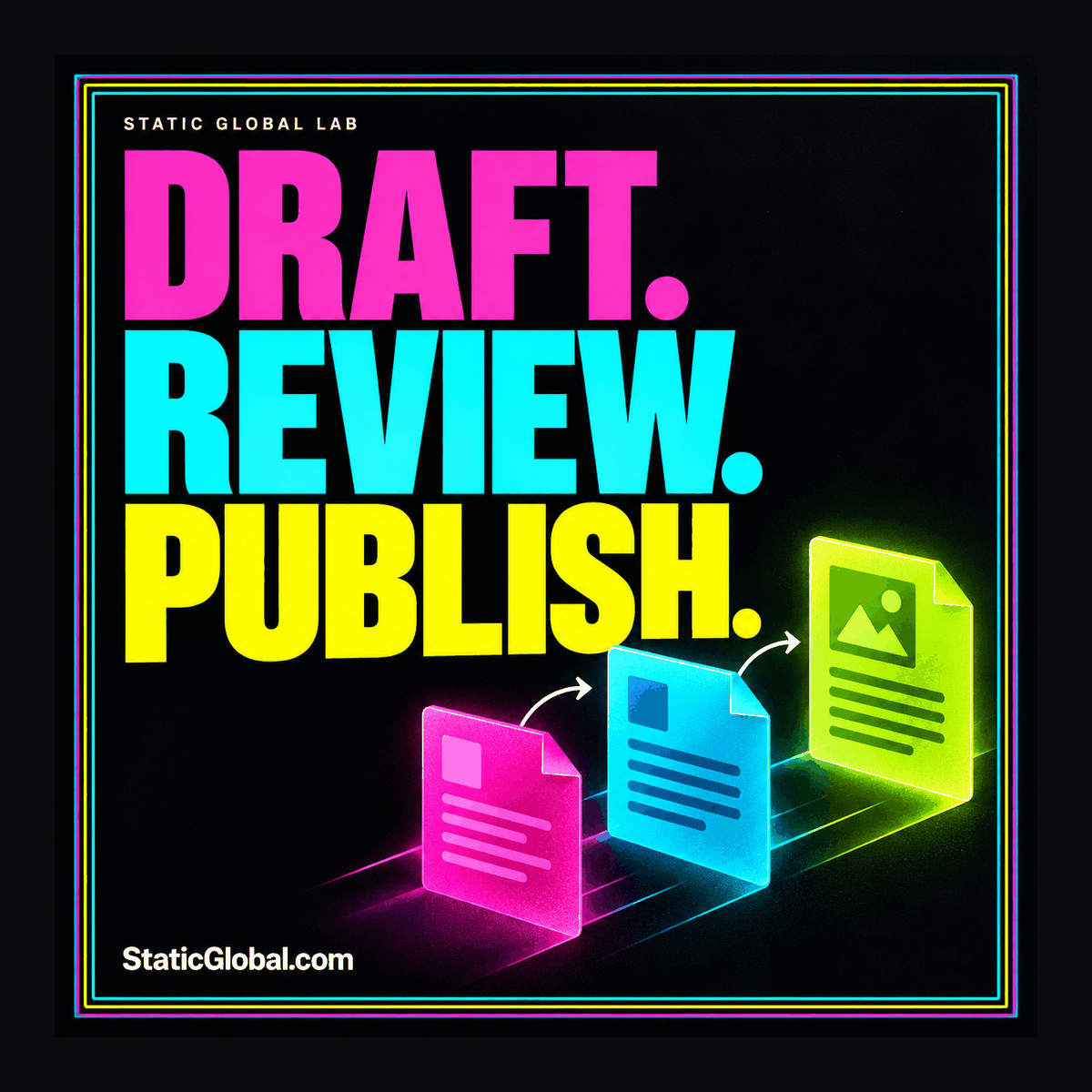
Identify the approved content state consumed by the build and the signal that tells editors deployment succeeded. A saved draft, a published entry, and a live website release are different events. Keep essential page content in the generated files when a self-contained public site is the goal. Test an export of representative entries, relationships, and media before deciding that future migration will be straightforward.

Technical reference: Decap CMS: an example of Git-backed editing. Use the documentation for implementation details alongside the planning guidance here.

TURN THE IDEA INTO A PLAN

What to check
before you commit.

Use these questions to make the next step concrete, and keep the answers with your project notes.

  • List the real editor tasks and ask the intended users to perform them in a working pilot.
  • Define required fields, controlled categories, relationships, and image descriptions before evaluating interface details.
  • Verify that preview uses the intended templates and keeps unpublished material away from the public build.
  • Check the chosen plan's actual contributor, media, workflow, and export capabilities using current terms.
  • Confirm who maintains the integration and how editors learn that a build or deployment has failed.
COMMON QUESTIONS

Work through
the details.

Is a Git-based CMS automatically easier for developers?

It may fit an existing repository workflow, but the result depends on configuration and maintenance. Test conflicts, permissions, media handling, and publishing behavior instead of assuming that familiar storage removes those responsibilities.

Can a headless CMS publish a completely static website?

Yes, when the build retrieves approved content and renders the required public pages and assets ahead of time. A separate browser-time content API is an additional design choice, not an unavoidable requirement of headless authoring.

How is this different from planning a static CMS workflow?

This page helps choose the editing model. The static CMS guide focuses on the content schema, revision handling, validation, and release operations needed once you have chosen that model.

FIELD NOTES & PRACTICAL GUIDES

Put it into practice.

Explore all articles
